 tuananhadmin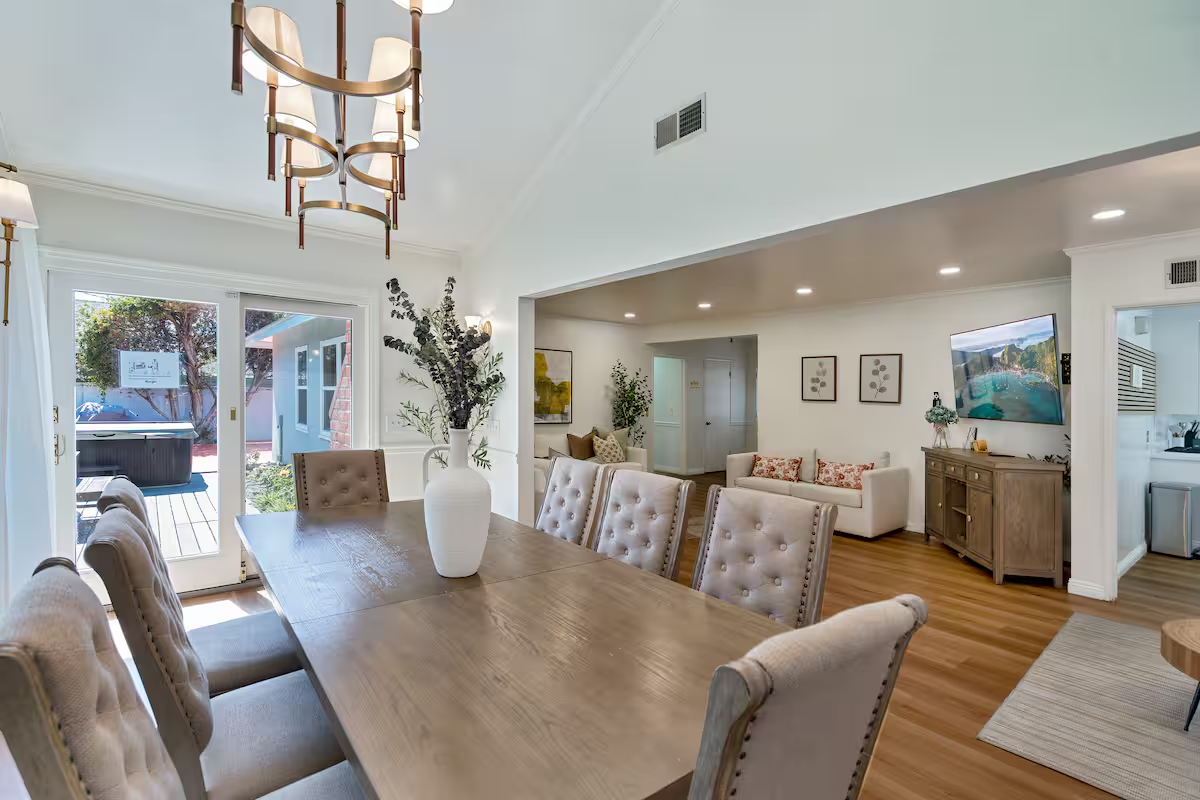
A realistic Disneyland family budget starts with a complete list of costs for your own dates. Use actual quotes for tickets, accommodation and transport, then add food and optional extras. There is no single reliable total for a family of six without knowing the children’s ages, number of park days and sleeping arrangements.
Worked example: separate the optional extras
Use this example only as a worksheet, not a trip quotation. At AN5, a two-day pool-heating request at the listed October rate of $100 per day contributes $200. Split between two households, that is $100 each. Add this to the actual Airbnb checkout total only if it is not already included, then add tickets, transport, food and any other selected extras.
Keep one row per cost and one column per payer: accommodation, optional heating, attraction admission, parking, meals and cancellation exposure. Enter the actual dates and guest count on Airbnb before using a nightly rate. Compare the total with the same group’s hotel-room quote. Dividing by the headline maximum occupancy can make a home look artificially cheap if fewer people are travelling.
Sources and booking checks: Disneyland official parking information; AN5 on Airbnb. Details reviewed October 2, 2026; confirm dates, availability and current terms before booking.
In this guide
Use one worksheet for the whole trip
Copy the table into your notes and fill it with current quotes. Leave unknown costs blank until confirmed, rather than treating them as zero. Keep the date of each quote so everyone knows when it was checked.
| Budget line | Calculation or detail to collect |
|---|---|
| Park admission | Ticket price by age and type × eligible guests |
| Accommodation | Full stay total including mandatory charges |
| Optional stay features | Pool heating or other agreed extras, if chosen |
| Getting there | Flights or road-trip costs for the group |
| Local transport | Rental vehicle or booked rides, fuel and parking |
| Food | Groceries + planned restaurant meals + park food |
| Optional experiences | Only the extras the group has selected |
| Flexibility reserve | An amount your household chooses to leave uncommitted |
Your total is the sum of these lines. If comparing two stays, keep park days, dates and guest count identical so the lodging decision does not get mixed with a different trip.
Price tickets using the actual group
List every traveler’s age at the time of the visit and select the correct ticket category. Then decide how many days and which parks you want. Price optional features separately; this makes it easier to see whether they support a real priority or simply add cost.
Check date availability and the current reservation process before completing other nonrefundable purchases. Keep the payment confirmation and change conditions with the budget. Do not reuse last year’s ticket price as if it were a current quote.
Compare the full accommodation cost
For a vacation home, use the final quoted stay total and identify mandatory charges and any optional extras you actually want. For a hotel, include all rooms, taxes, parking and applicable additional charges. Compare cancellation terms as well as totals.
Divide lodging by nights and by traveling households if that helps the group make a decision, but retain the full number. A low per-person nightly figure can hide a large overall commitment. Our hotel-versus-home guide covers the practical differences behind the price.

Give meals a realistic plan
Count how many breakfasts you expect to eat at the house, how many full park days need purchased meals and whether the arrival night calls for an easy dinner. Groceries still cost money, and an unused kitchen does not generate savings.
Choose a few meals you can prepare with the confirmed kitchen equipment. Add snacks and drinks to the same grocery list to avoid buying duplicates across two households. For restaurant meals, allow for the full bill rather than the menu price of a single dish.
Include the cost of moving everyone
Compare vehicle rental, fuel, parking and child-equipment arrangements with realistic transport quotes. A group may need more than one vehicle. If you plan to return home for naps, include the additional journeys and any applicable parking or re-entry conditions you have verified.
Use our Disneyland transport guide to compare time as well as cost. The cheapest transport line can be a poor fit if it makes the family’s daily routine impractical.
Finish with three scenarios
Create a core plan with the essentials, a preferred plan with selected extras and a flexible plan that preserves room for changes. Use your own figures in each version; these are planning categories, not suggested spending targets.
If costs exceed the amount you want to spend, change one major decision at a time: number of park days, accommodation choice or optional experiences. Start comparing Anaheim homes, including Bright Anaheim Escape and AN5, only against a current full quote for your group.
Featured image: The dining area at Game Room Estate in Anaheim. LuxeHome property photograph.
Suggested itineraries are flexible planning examples. Check current attraction opening, admission and property details for your travel dates.